Think about the last time you dug for coins at a vending machine. Odds are you skipped the snack instead. That’s the exact problem cashless vending solves. With a quick tap of a card or phone, employees can grab what they want in seconds, no cash needed. For any workplace, that means fewer missed sales and a break room people actually use.
Cashless vending has quickly become the standard, and for good reason. Most people rarely carry cash now. If a machine only takes coins and bills, it turns customers away every day. This guide explains how card and mobile payments work at a vending machine, what methods they accept, and why the switch pays off. Much of it runs on the same cashless payment technology that keeps modern machines connected.
What Is Cashless Vending?
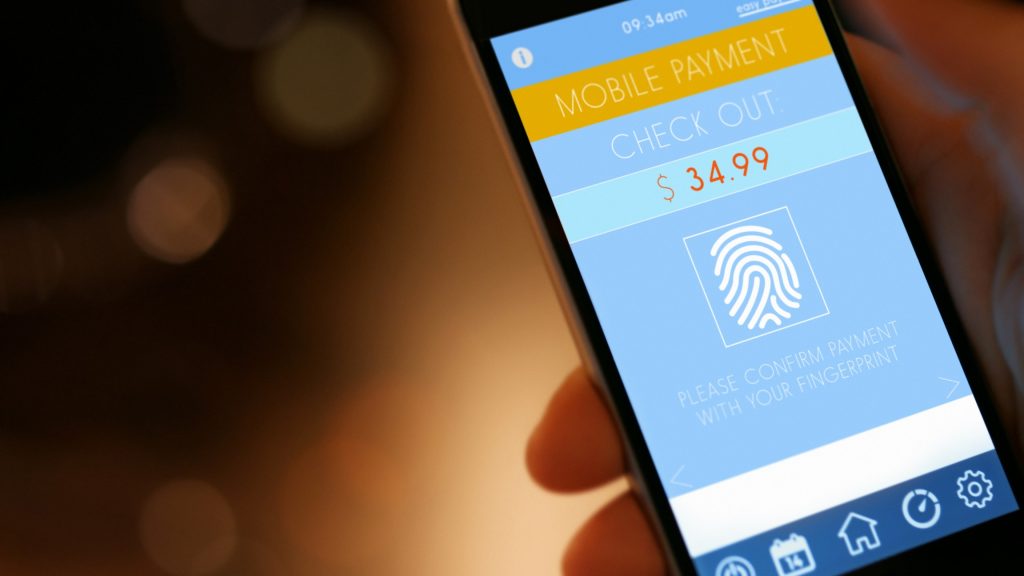
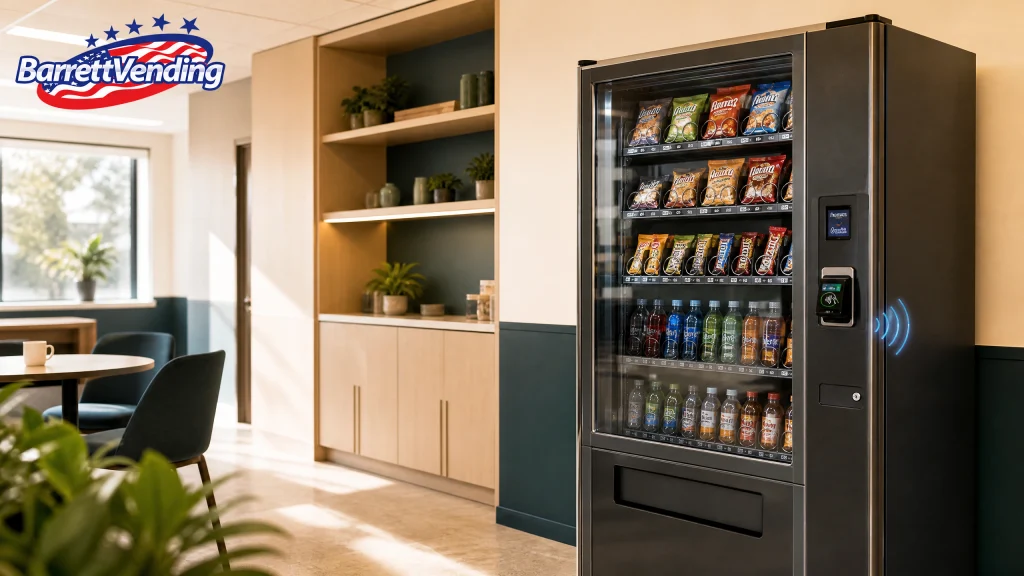
Cashless vending means paying for snacks and drinks with a card or phone instead of coins and bills. A small card reader on the machine handles the payment, so buyers can tap, swipe, or use a mobile wallet like Apple Pay or Google Pay.
The idea is simple. Instead of feeding cash into a slot, you pay the way you already pay everywhere else. Behind the scenes, the reader talks to a payment network and approves the sale in a couple of seconds. For the person buying, it feels instant. For the business, it captures sales that would have been lost when someone had no cash on hand.
How Cashless Vending Machines Work
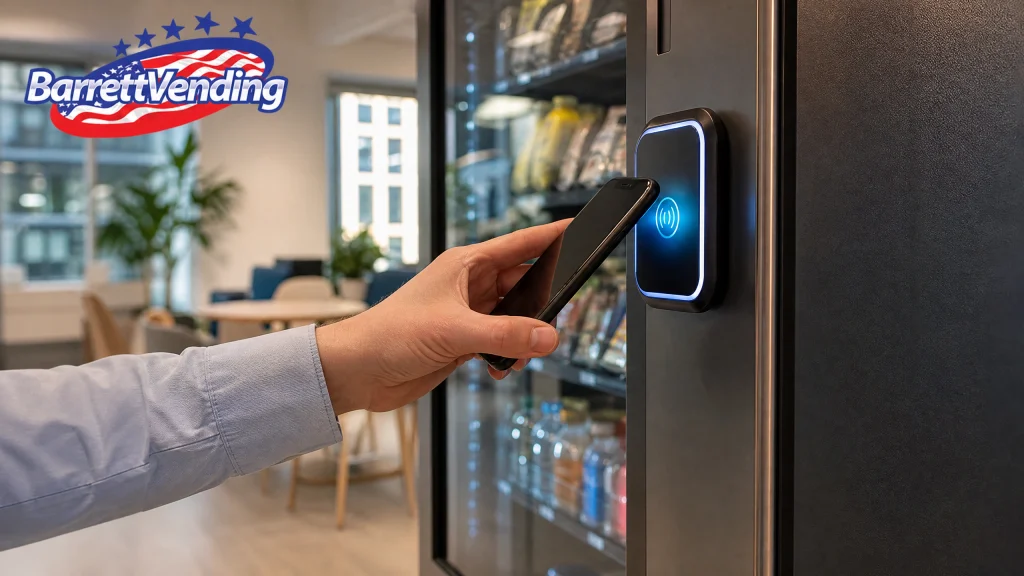
A cashless vending machine works a lot like the card terminal at any store. The machine has a reader that accepts cards and phones, connected through a wireless network to a payment processor.
Here’s the flow in plain terms. You choose your item, then tap or swipe at the reader. The reader sends the payment details over a secure wireless connection to the processor. The processor checks the card, approves it, and signals the machine to release your snack. The whole thing takes a few seconds. Most modern machines pair this with full-service workplace vending support and remote monitoring, so the provider can track sales and stock levels from anywhere. That keeps machines full and running without anyone checking them by hand.
Payment Methods Cashless Vending Accepts
Cashless machines are built to take the ways people already pay. That flexibility is a big part of why they work so well in busy workplaces.
Most readers accept debit and credit cards, contactless tap-to-pay cards, and mobile wallets on phones and smartwatches. Some setups also support prepaid accounts or workplace apps. The table below breaks down the common options so you can see how each one works.
| Payment Method | How It Works | What the User Needs |
|---|---|---|
| Debit or credit card | Swipe or insert at the reader | A standard bank card |
| Contactless card | Tap the card near the reader | A tap-enabled card |
| Mobile wallet | Tap a phone or watch to pay | Apple Pay, Google Pay, or similar |
| Prepaid or app account | Load funds, then tap or scan | A provider app or prepaid card |
Use this as a general guide, since the exact options depend on the machine and reader. A provider can set up the mix that fits your team best, including vending product options matched to what people actually buy.
Why Cashless Vending Is Better for Everyone
Cashless vending helps both sides of the machine. Employees get a faster, easier way to pay, and the business captures more sales.
For your team, it removes the cash hassle. Nobody has to hunt for exact change or walk away empty-handed. Purchases are quick, which matters during a short break. For the business, more payment options mean more sales, since people buy on impulse when paying is easy. Cashless setups also cut down on cash handling and the theft risk that comes with it. The same technology powers modern options like self-service micro markets and AI smart coolers, where tap-and-go checkout is the whole point. This is why providers across the industry, including Texas vending services, have moved toward cashless as the default.
Does Cashless Vending Still Take Cash?
Many machines still accept cash alongside cards, so nobody is left out. Cashless does not have to mean cash-free. Plenty of setups run both, giving people the choice to pay however they like.
That said, some workplaces choose card-only machines to cut cash handling entirely. The right call depends on your team. If some employees still prefer cash, a machine that takes both keeps everyone happy. A provider can help you decide based on how your people actually pay day to day.
How Cashless Vending Keeps Machines Stocked
Cashless vending does more than take payments. Every sale creates data, and that data helps keep the machine full. When a provider can see what sells and what’s running low, they can restock the right items at the right time.
This is where cashless and remote monitoring work together. The reader that handles payments also reports sales back to the provider. So instead of guessing, the provider knows when a machine needs a visit and which products to bring. Your team sees fewer empty slots and more of the snacks they actually want. For the business, that means steadier sales and less waste. It’s a quiet benefit of going cashless that many people never think about, but it makes a real difference in how well a break room runs day to day.
How to Add Cashless Vending to Your Workplace
Adding cashless vending is simple, and a good provider handles the setup for you. You share a bit about your workplace, they recommend the right machines and readers, and they install everything. From there, they manage restocking, repairs, and payment support on a regular schedule.
A local, full-service team makes it easy to keep things running. Barrett Vending covers Houston and nearby areas, so support stays close, and you can check the Houston service area to confirm your office is included. For a wider look at how these programs run in other Texas markets, DFW micro market and vending programs are a useful reference. When you’re ready to upgrade your break room, reach out for a free quote and share your space and headcount.
Frequently Asked Questions
How do cashless vending machines work?
A card reader on the machine connects to a payment network over a wireless link. You tap, swipe, or use a mobile wallet, the reader approves the payment in seconds, and the machine releases your item. It works much like paying at any store.
What payments do cashless vending machines accept?
Most accept debit and credit cards, contactless tap-to-pay cards, and mobile wallets like Apple Pay and Google Pay. Some also support prepaid accounts or workplace apps. The exact options depend on the machine and reader.
Are cashless vending machines safe to use?
Yes. Payments run over secure, encrypted connections, the same way card terminals work in stores. Cashless setups also reduce cash on site, which lowers theft risk for the business.
Do cashless vending machines still take cash?
Many do, running both cash and card side by side. Some workplaces pick card-only machines to skip cash handling. A provider can set up whichever fits your team best.
Is cashless vending worth it for a small office?
Often, yes. Even small teams buy more when paying is quick and easy. Since most people carry a card or phone rather than cash, cashless machines capture sales a coin-only machine would miss.
Final Thoughts
Cashless vending is now the standard because it matches how people already pay. A quick tap of a card or phone means faster sales for the business and less hassle for your team. Most setups can still take cash too, so nobody gets left out. The result is a break room that works for everyone and captures sales a coin-only machine would lose.
If you want to bring simple card and mobile payments to your workplace, the right provider makes it easy. If you’re in the Houston area and ready to upgrade, talk with the Barrett Vending team or call (713) 680-8636 for a quick, no-pressure quote.